Data modelling
Schema design, relationships, constraints and indexing built around how the business actually reads and writes data.
The backend is where a product either scales or quietly rots. I design data models that match the business, APIs that are predictable to consume, and permission systems that hold up when someone tries the URL directly.
Describe the data and the rules around it. That is usually enough for me to sketch the model.
Concrete deliverables, not a retainer with vague scope.
Schema design, relationships, constraints and indexing built around how the business actually reads and writes data.
Consistent resources, pagination, filtering, validation and error shapes that a frontend developer can work with without guessing.
JWT or session auth, role hierarchies and object-level permissions enforced server side.
Celery and Redis for exports, imports, notifications and anything that should never happen inside a request.
Profiling, index tuning and caching to fix the specific queries causing the slowdown.
Dockerised setup, environment configuration, migrations and a deploy path that is repeatable.
Understanding the entities and rules before touching the schema.
Models, relationships and a migration path that does not require downtime.
Endpoints, serialisation, validation and permissions, documented as they are built.
Background jobs, third-party services and scheduled work.
Load-sensitive query tuning, error handling, logging and deployment.
Case studies where I delivered exactly this kind of work.

A multi-tenant pharmacy software product with inventory, orders, prescriptions, suppliers, staff management, r…
Read case study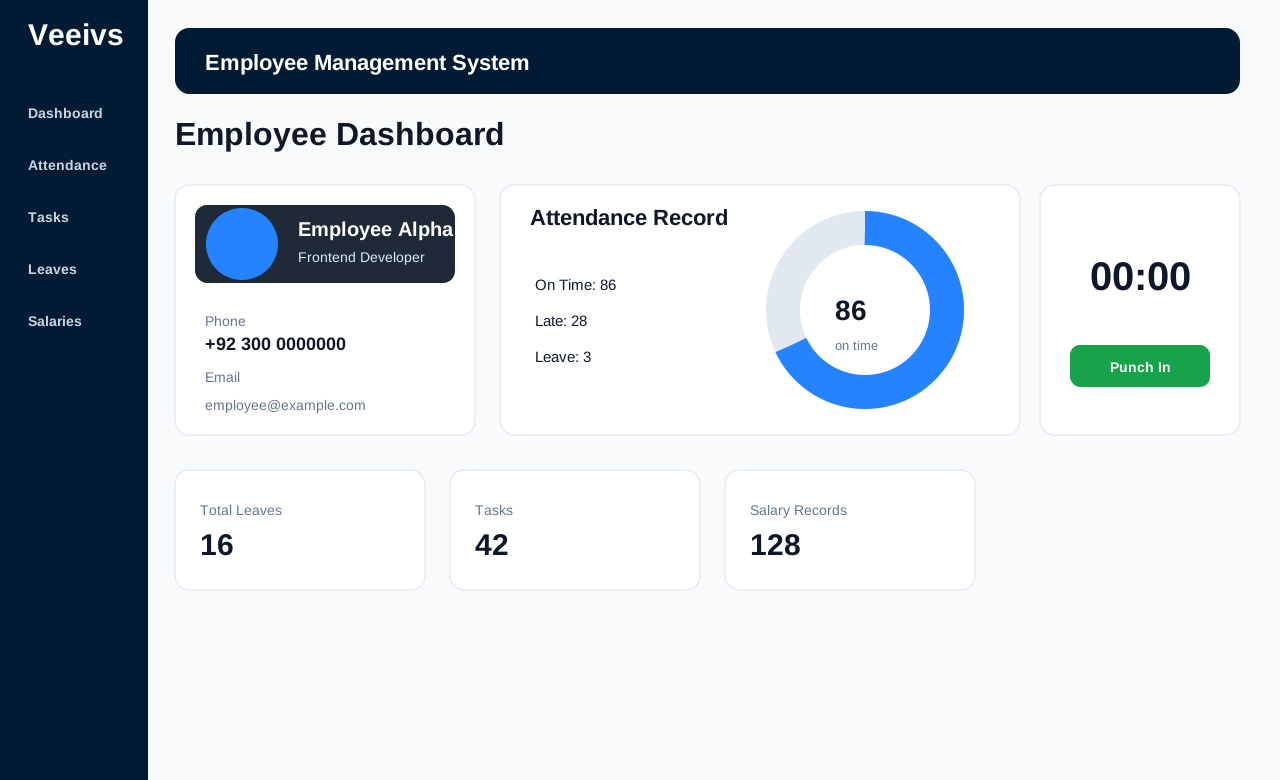
A production employee management system for Veeivs covering attendance, leave, HR records, salaries, role-base…
Read case study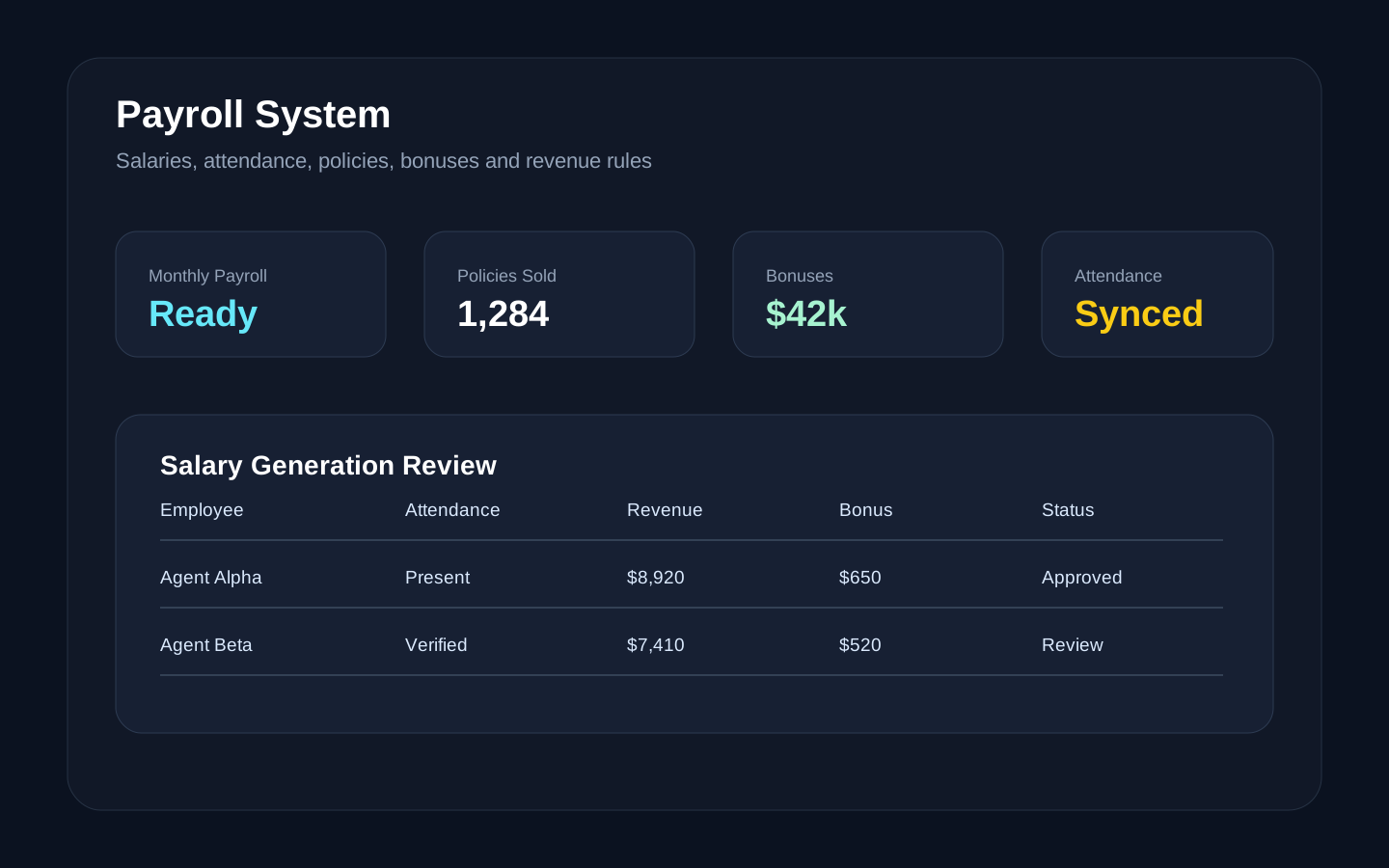
A payroll and salary processing system for tracking attendance, leads sold, policies, bonuses, revenue and mon…
Read case study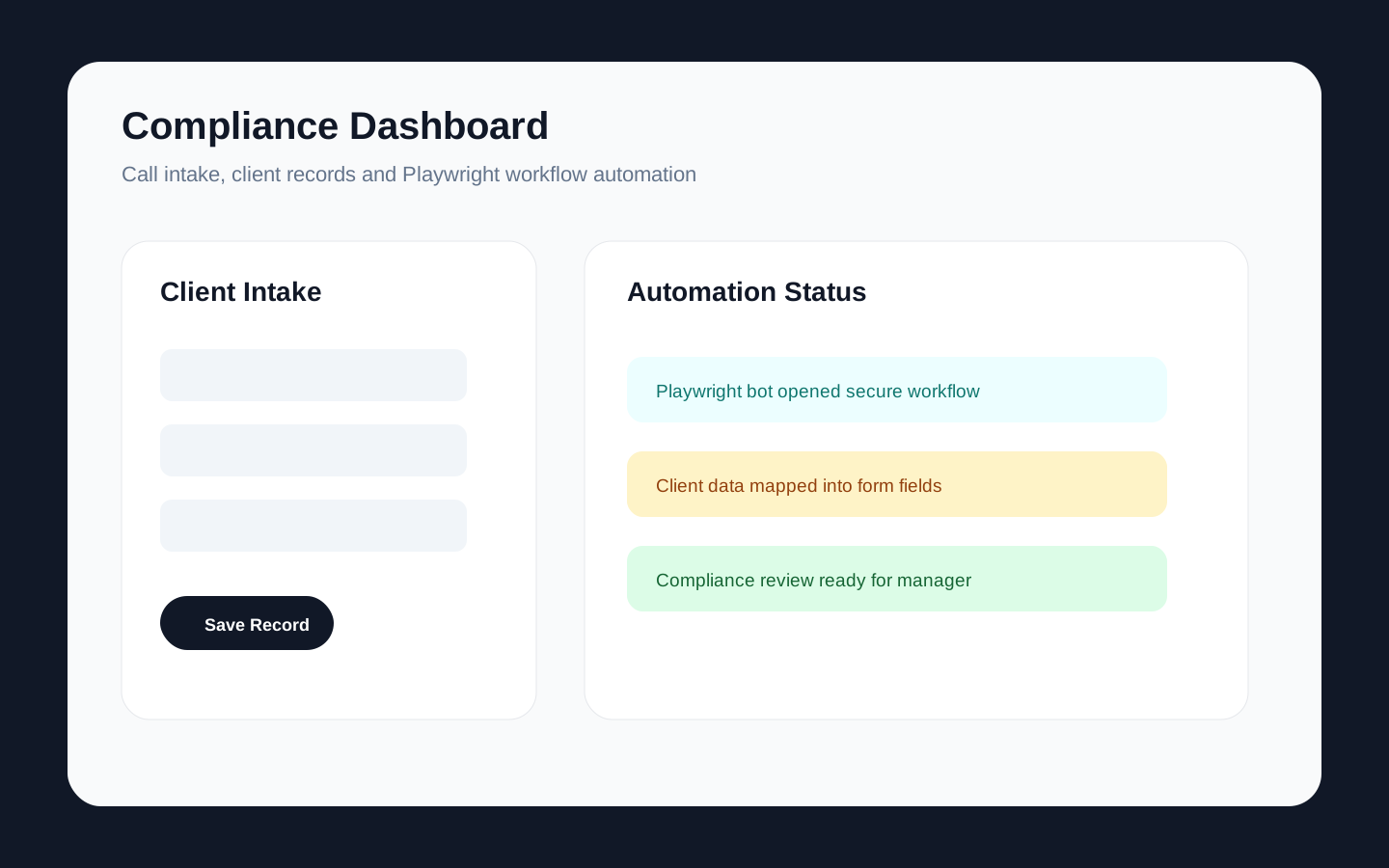
A compliance workflow dashboard that captures client data from calls, fills structured records and drives Play…
Read case studyYes. A well-designed REST API serves web, mobile and third-party integrations from the same contract — that is the point of designing it properly.
Yes. Common work includes fixing N+1 queries, adding missing indexes, moving heavy work to Celery, tightening permissions and untangling business logic from views.
I use both in production. PostgreSQL is my default for new projects because of its data types, constraints and query planner. If your team already runs MySQL well, staying there is usually the better call.
I handle Dockerised application deployment, environment configuration, migrations and CI-friendly setups. For large-scale infrastructure I work alongside your DevOps team rather than replacing them.
Describe the data and the rules around it. That is usually enough for me to sketch the model.
Send project details