Multi-tenant architecture
Tenant isolation, per-account data boundaries and onboarding that provisions a new customer without you touching a database.
Taking a SaaS idea to paying customers means solving multi-tenancy, billing, permissions and analytics before you write a single feature that users notice. I build that foundation properly, then ship the product on top of it.
Bring the idea and whoever the first customer is. We will scope an MVP that can actually launch.
Concrete deliverables, not a retainer with vague scope.
Tenant isolation, per-account data boundaries and onboarding that provisions a new customer without you touching a database.
Plans, trials, upgrades and usage limits wired to a payment provider, with the edge cases (failed payments, downgrades) actually handled.
Interactive charts, filterable reports and scheduled delivery — the screens that make customers renew.
Sign-up, invitations, team members and permission tiers designed for organisations rather than single users.
WebSocket-driven live data where it matters, so dashboards do not need a refresh button.
The internal tooling you will need on day one to support customers without SSH access to production.
We separate the MVP from the roadmap. Most SaaS projects fail by building version three first.
Tenancy model, data boundaries and permission design — decided once, deliberately.
The shortest path to a product a real customer can pay for and use.
Self-service sign-up, plans and provisioning so growth does not create manual work.
Analytics on real behaviour, then build what usage says is missing.
Case studies where I delivered exactly this kind of work.
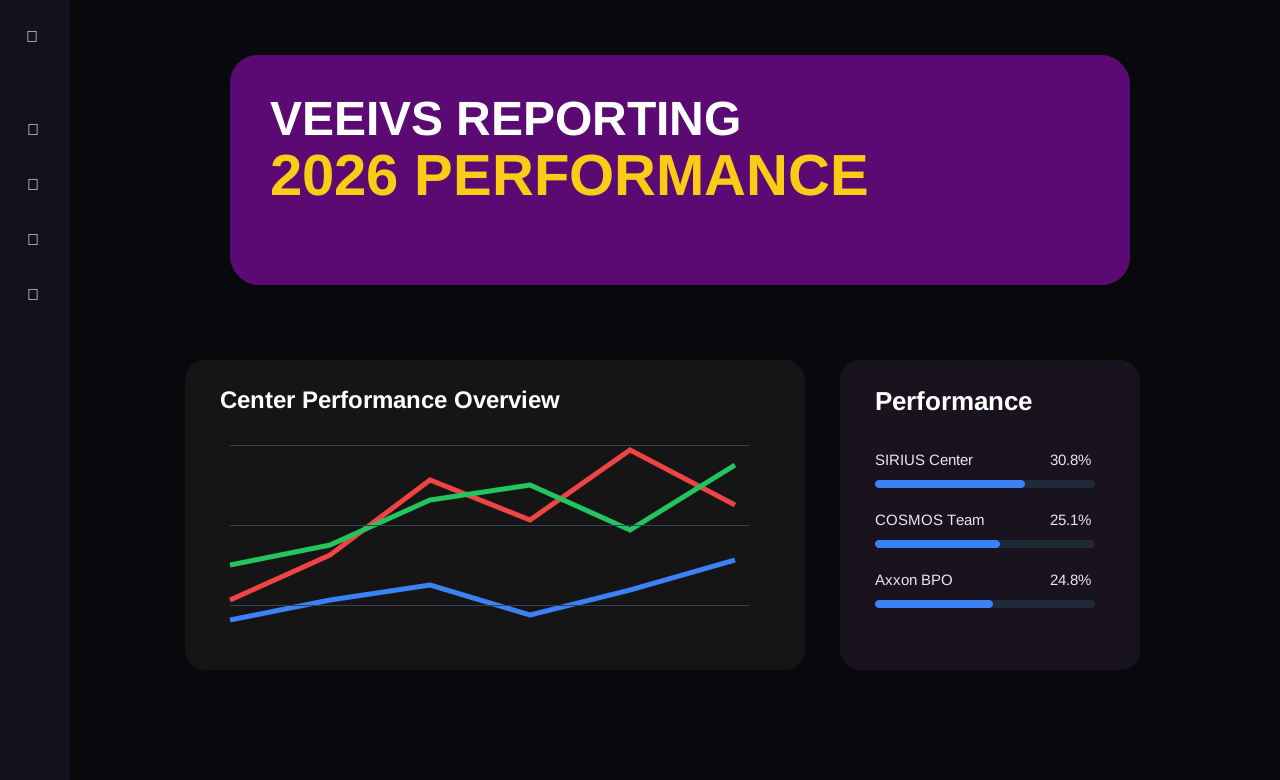
A SaaS reporting and ranking platform for multi-branch performance: live centre stats, agent and team lead ran…
Read case study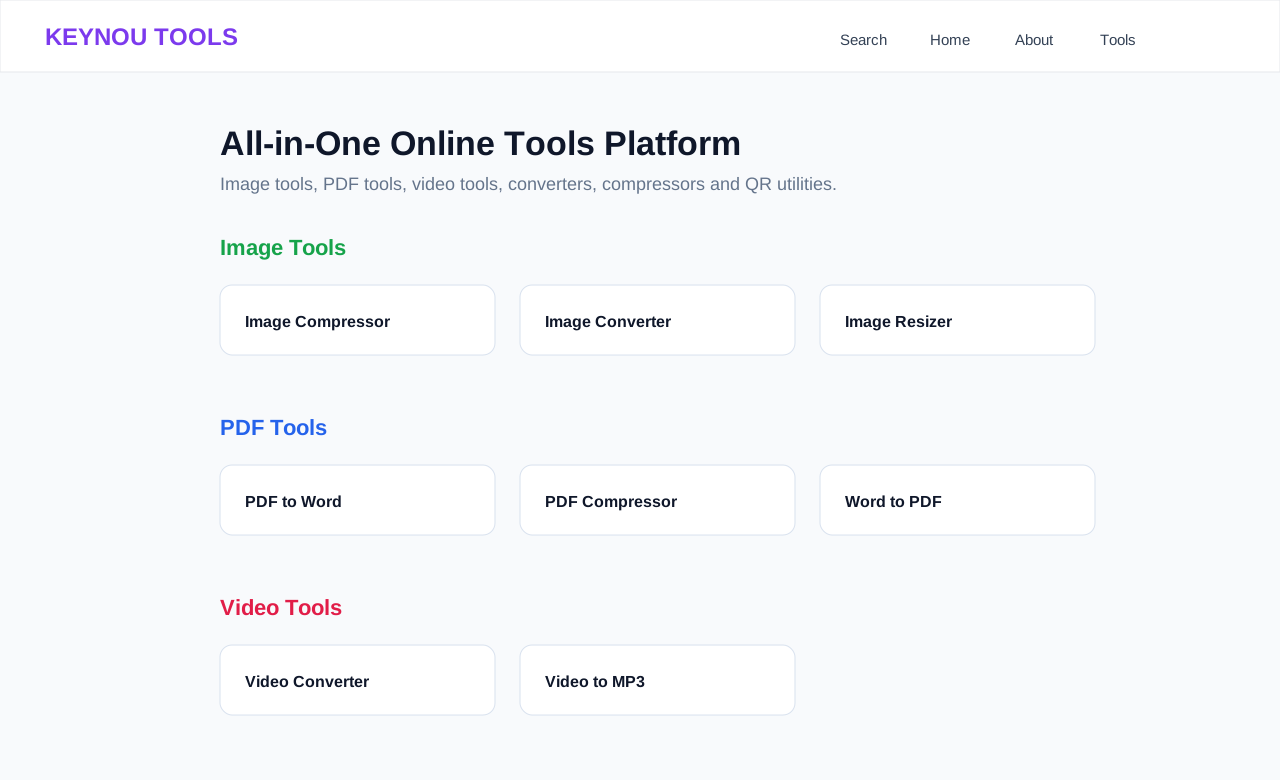
An all-in-one online tools platform with image, PDF, video, converter, compressor and QR utilities, built with…
Read case study
An inbound and outbound call tracking SaaS with dialers, recordings, AI transcription, routing, Stripe billing…
Read case study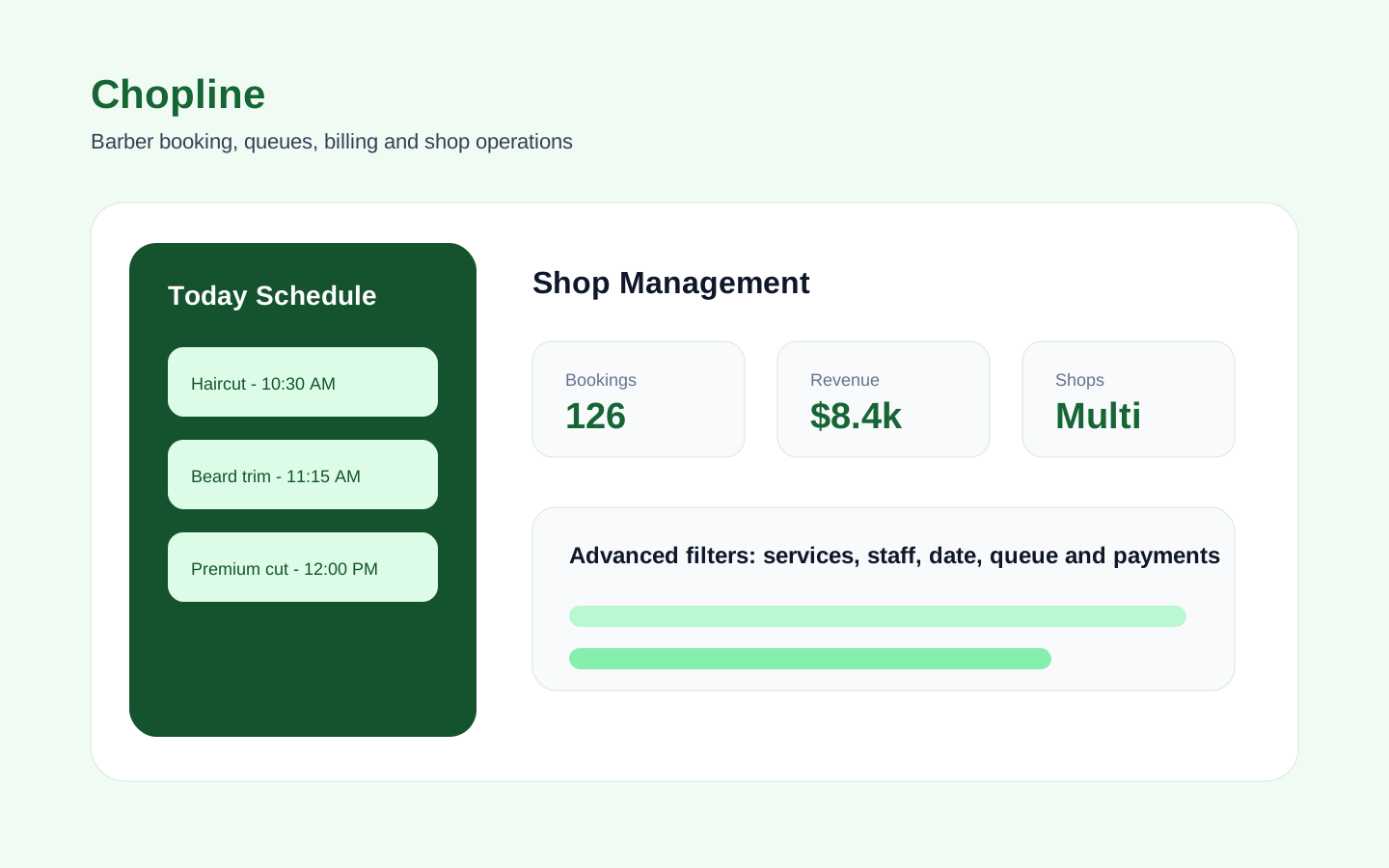
A US multi-tenant barber shop booking SaaS with appointments, filters, Stripe payments, shop management and re…
Read case studyYes — that is most of this work. I take a validated idea to a deployed, multi-tenant product with authentication, billing and a core feature set that real customers can sign up for and use.
Next.js if marketing pages and SEO matter as much as the app itself. React plus a Django API if the product is a data-heavy internal-facing dashboard where server rendering buys you little. I recommend based on your traffic model, not on preference.
Yes — plans, trials, upgrades, downgrades, usage limits and failed-payment handling, integrated with providers such as Stripe.
Yes. I start with an audit of the architecture, data model and deployment setup, then give you an honest assessment of what to keep, refactor or replace before quoting the work.
Bring the idea and whoever the first customer is. We will scope an MVP that can actually launch.
Send project details