01Why companies hire a remote developer from Pakistan
I am a full stack developer based in Rawalpindi, and most of my client work is remote, including products for US-based businesses. So I get asked the practical questions often: how do the hours work, how do payments work, and who owns the code. This article answers them plainly.
Companies look at Pakistan for a remote developer or offshore developer for straightforward reasons. Rates are typically lower than in North America or Western Europe, English is widely used in professional and technical work, and the country has a large and active software and freelancing community working with modern stacks. As with any market, quality varies a lot between individuals, so vetting matters more than geography.
If you are earlier in the process, my guide to hiring a freelance full stack developer covers the whole decision; this piece focuses on the remote and cross-border parts.
02Time-zone overlap: Pakistan vs the US, UK, Europe and the Gulf
Pakistan Standard Time is UTC+5 and does not observe daylight saving, so the gap to countries that do shifts by an hour twice a year. The overlap is better than many people expect, especially for the UK, Europe and the Gulf.
- UK: four or five hours behind PKT, so most of a UK morning and early afternoon overlaps with a Pakistan working day.
- Central Europe: three or four hours behind PKT, with a comfortable shared window of several hours.
- Gulf (UAE): one hour behind PKT — effectively the same working day.
- US East Coast: nine or ten hours behind PKT. A Pakistan evening overlaps a US morning, for example 7pm PKT is 9am or 10am in New York depending on the season.
- US West Coast: twelve or thirteen hours behind PKT. Overlap is limited, so asynchronous work does most of the lifting.
- Australia (Sydney): five or six hours ahead of PKT, so a Pakistan morning overlaps a Sydney afternoon.
For US clients the time difference can actually be an advantage: you brief something at the end of your day and review working code on staging the next morning.
03Communication cadence that works across time zones
Remote work fails on ambiguity, not on distance. The fix is a rhythm both sides can rely on without having to chase.
The mistake I see most often is treating asynchronous work as a fallback rather than the default. If every question waits for a call, a nine-hour time difference costs a day per question. If questions, decisions and progress are written down where both sides can see them, the same gap barely matters.
What works for me with international clients is a short written update at the end of each working day, a weekly video call at a time in the overlap window, a shared task board with priorities you control, and a staging environment you can check whenever suits you. Urgent issues go through an agreed channel with an agreed response time.
- Daily: a short written update — done, next, blocked, questions.
- Weekly: a call in the overlap window to demo work and reprioritise.
- Always on: a staging site and a task board you can check asynchronously.
- Agreed: which channel is for urgent issues, and how fast it is answered.
- Written down: decisions made on calls, so nothing depends on memory.
04Payments and contracts with an offshore developer
Paying a developer in Pakistan is routine. The common routes are international payment platforms such as Payoneer and Wise, direct bank wire, and payment through a freelance marketplace if you hired there. The developer handles local tax and receipt; you pay an invoice as you would any contractor. Agree the currency and who covers transfer fees upfront.
The contract should cover scope or milestones, the pricing model, payment schedule, confidentiality, IP assignment, and termination and handover terms. Milestone payments — paying for each defined chunk of delivered work — protect both sides and suit cross-border work well.
For a fuller view of rates and how to compare pricing models, see what a full stack developer costs in 2026.
- Invoice in an agreed currency, usually USD, GBP or EUR.
- Pay against milestones or on a regular cycle — weekly, fortnightly or monthly.
- Agree in writing who covers transfer and platform fees.
- Include a short notice period and a handover obligation on termination.
05Intellectual property and code ownership
This is the part to get exactly right, and it is simple. The contract should state that all intellectual property in the work is assigned to you, typically on payment. Beyond the contract, the practical setup matters more: the repository should be in your GitHub or GitLab organisation, the hosting and database in your cloud account, and the domain registered to you.
When I work with clients, that is the default. The code goes into the client's repository from the first commit, and I am given access to their infrastructure rather than the other way round. It means you can bring in another developer, or move on, at any point without negotiating for access to your own product.
If a remote developer insists on keeping the code or servers in their own accounts, treat it as a red flag regardless of where they are based.
06Common concerns about hiring an offshore developer — and how to handle them
Most hesitation about hiring an offshore developer comes down to a handful of worries. They are reasonable, and each has a practical answer that has more to do with how the engagement is set up than with where the developer lives.
Reliability is the first. The best evidence is a track record of shipped products and a short paid trial, followed by milestone-based work so you never have much money at risk ahead of delivered code. Quality is the second, and it is answered the same way you would answer it for a local hire: look at live work, review code, and ask the developer to explain their decisions.
Infrastructure is a fair question too. Professional developers in Pakistan generally work with backup power and backup internet, because outages do happen, and it is reasonable to ask what a candidate's setup is. Public holidays differ from yours, so share calendars early and plan releases around them.
- Reliability: track record, paid trial, milestone payments.
- Quality: live products, code review, clear explanations of past decisions.
- Availability: an agreed overlap window and response times, written down.
- Infrastructure: ask about backup power and connectivity.
- Holidays: share calendars at the start of the engagement.
07How I work remotely with international clients
My working pattern is built around the overlap. I schedule calls and real-time collaboration in the shared window and keep focused development time outside it. Clients get written updates, a staging link and a board they can reprioritise, so they never need to be online at the same time as me to know where things stand.
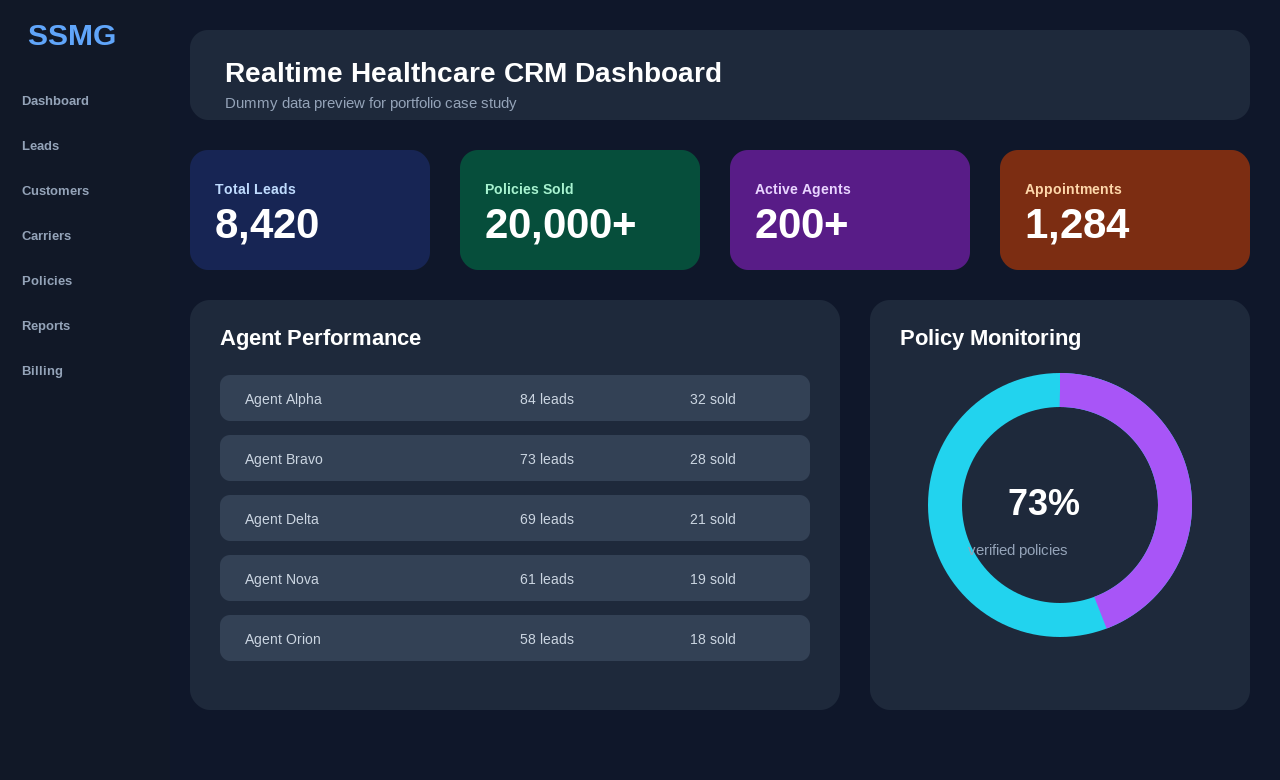
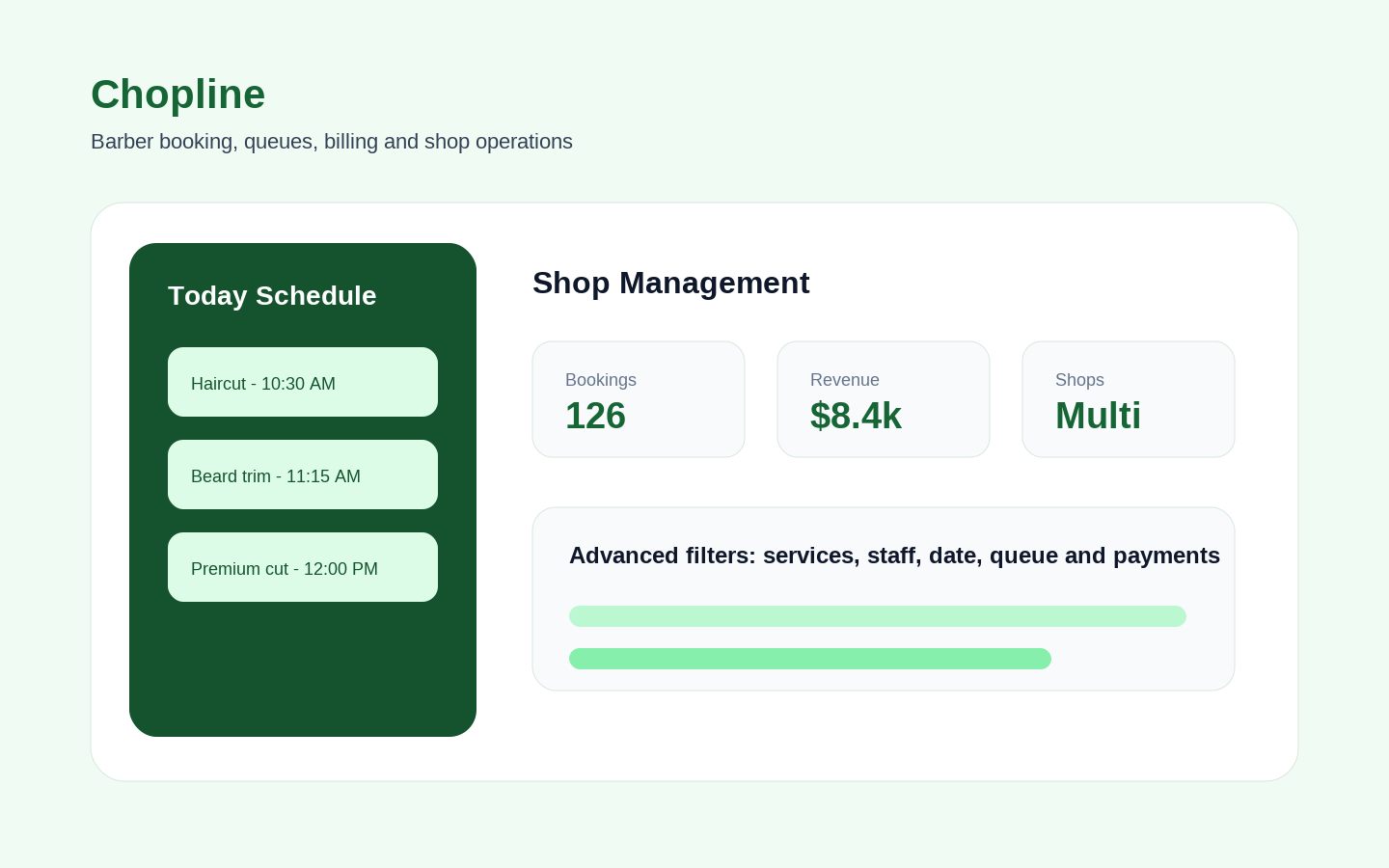
This is how I have delivered products such as a healthcare lead generation CRM for a US healthcare client and the Chopline booking platform for a US barber business — remote, across a large time difference, with the client owning the code and infrastructure throughout.
08How to hire a developer in Pakistan well
Vet the person, not the country. Look at shipped products, ask them to explain trade-offs in past work, and check how clearly they write — written English matters a lot in remote work. A short paid trial tells you more than any number of calls. My list of questions to ask before hiring a developer works just as well for remote hires.
Then set up the remote foundations from day one: your repository and hosting, an agreed overlap window, a written update cadence and milestone-based payments. If you are looking for a remote full stack developer for a CRM, SaaS product or web application, my full stack development service explains how I take on projects.