01What a senior developer actually is
A senior developer is someone you can hand an ambiguous problem and trust to come back with the right solution, at the right size, with the risks named. That is the whole definition. Years of experience and framework knowledge are inputs to it, not the thing itself.
A mid-level developer can usually build what is specified, and build it well. A senior developer questions whether it should be built that way, notices the parts nobody specified, and keeps the system simpler than it would otherwise be. For a senior full stack developer, that judgment spans the whole stack: the UI state, the API contract, the database schema and the deploy.
Mid-level developers are measured by what they ship. Senior developers are measured by what the team ships, and by what never had to be fixed.
02Judgment and trade-offs: the core of seniority
Most technical decisions have no correct answer, only trade-offs. Seniority is the habit of making those trade-offs visible: "this is faster to build but harder to change", "this adds a queue, which fixes the timeout and adds a thing to monitor". Juniors look for the best answer. Seniors ask what each option costs and who pays.
Architecture is where this shows most clearly. A senior developer picks the boring option when it is enough — a modular monolith over microservices, a database index over a cache — because they have lived with the consequences of the exciting option. My guide to software architecture for web applications is, in large part, a record of those trade-offs.
- States the options and their costs before recommending one.
- Prefers reversible decisions and slows down for irreversible ones.
- Sizes the solution to the problem — no framework for a script, no script for a platform.
- Writes decisions down so they can be revisited when facts change.
03Scope, ownership and the work nobody assigned
A mid-level developer finishes the ticket. A senior developer finishes the outcome. That means the migration that runs safely on production data, the error state the designer forgot, the monitoring that will tell you it broke, and the note to support explaining what changed.
Ownership also means being honest about what is not done. Saying "this works for the happy path but imports with duplicate emails will fail" before release is far more valuable than discovering it after. The best senior developers I have worked with surface bad news early and calmly, with a proposed fix attached.
- Thinks about deploy, data migration, rollback and monitoring as part of the task.
- Notices missing requirements and raises them before building, not after.
- Reports risks early, with options rather than just problems.
- Cleans up after themselves: feature flags removed, dead code deleted, docs updated.
04Communication, mentoring and saying no
Much of a senior developer's impact travels through other people. They explain a technical constraint to a client in business terms, write a pull request description that makes review easy, and leave review comments that teach rather than just correct.
Mentoring is not a separate activity; it happens in code review, pairing and in how questions are answered. A senior who solves every hard problem personally creates a bottleneck. One who helps others solve them creates a team.
The hardest skill is saying no — to a feature that would complicate the system for one edge case, to a deadline that cannot be met without cutting testing, to a rewrite that is really a wish for a cleaner codebase. A good no comes with a reason and an alternative: "not this, but this smaller version by Friday".
A senior developer's "no" is a form of protection — for the codebase, the timeline and the people who will maintain it later.
05Common myths about senior developers
A few beliefs about seniority cause bad hires and frustrated developers. The most common is that a senior developer is simply a faster mid-level developer. Speed helps, but a senior developer often writes less code than others on the team, because part of their job is preventing code that should not exist.
Another myth is that seniority means knowing every framework. Breadth is useful, but depth in fundamentals matters more: how HTTP, databases, caching and concurrency actually behave. Someone who understands why a query is slow can learn a new ORM in a week. The reverse is not true.
The last is that senior developers should not need direction. They need context rather than instructions — the business goal, the constraints, the deadline — and they will ask for it if it is missing. A senior developer who never asks questions is usually guessing.
- Seniority is not lines of code per day.
- It is not a long list of frameworks on a CV.
- It is not working alone without ever needing context.
06How my path from frontend developer to project lead shaped this view
I started as a web developer at Imarat Group of Companies, then worked as a frontend developer at Graana.com and Mars 0.2, building React and Next.js interfaces, integrating APIs and handling authentication flows. Frontend work teaches you early that every backend decision eventually lands on a screen — a slow query becomes a spinner, a vague error becomes a confused user.
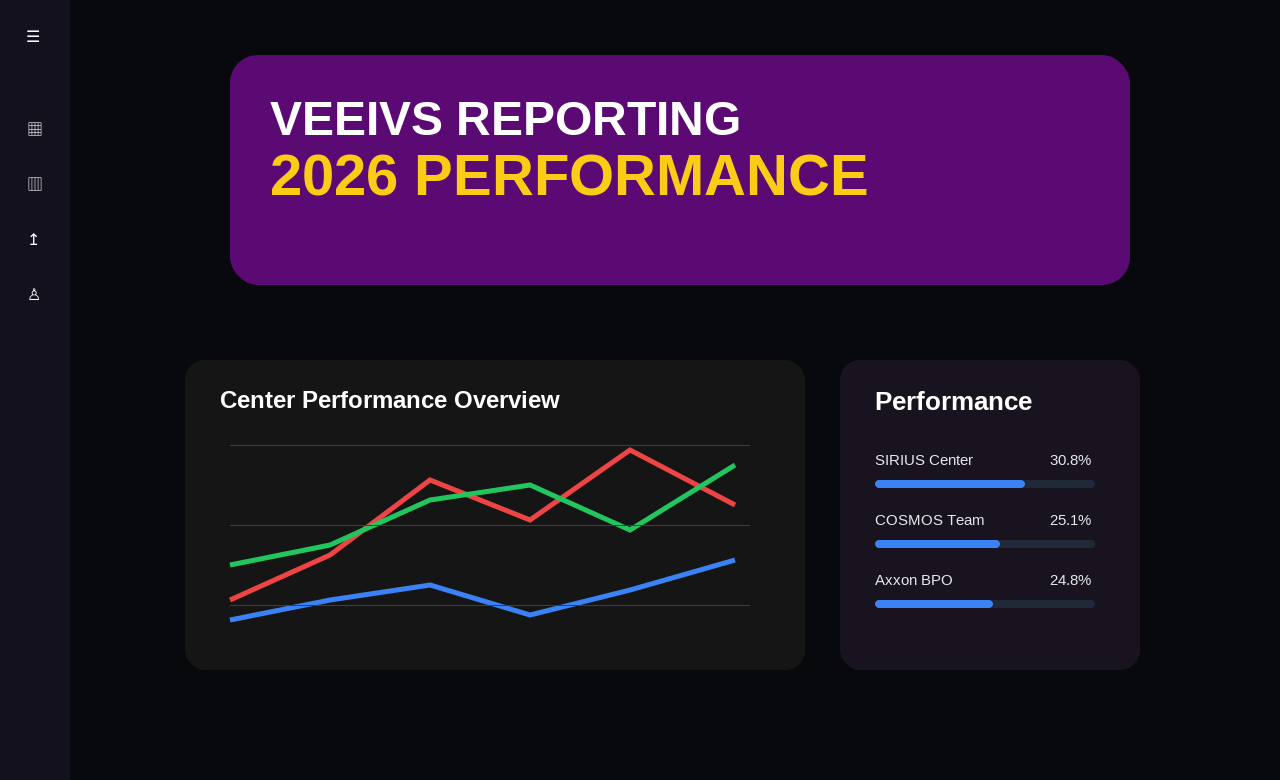
At Veeivs I moved into a full stack role as team lead and project lead, responsible for SaaS systems, CRM platforms and dashboards across React, Next.js, Django and PostgreSQL. That shift changed what I spent my days on. Less time writing the clever part, more time reviewing implementation quality, deciding what not to build, and making sure the team could move without waiting on me. Now, as full stack developer and project lead at Mars Digital, technical decisions and production readiness are explicitly part of the job.
The lesson I would pass on: seniority grew most when my responsibility grew beyond my own code. You learn trade-offs fastest when you are the one who has to explain them, and the one who gets the call when they go wrong.
07How to spot a senior developer when hiring
CVs and coding puzzles are poor signals for seniority. Better signals come from how someone talks about past work and how they respond to an ambiguous problem. Ask them to walk through a system they built and listen for trade-offs, regrets and what they would change — not just a list of technologies.
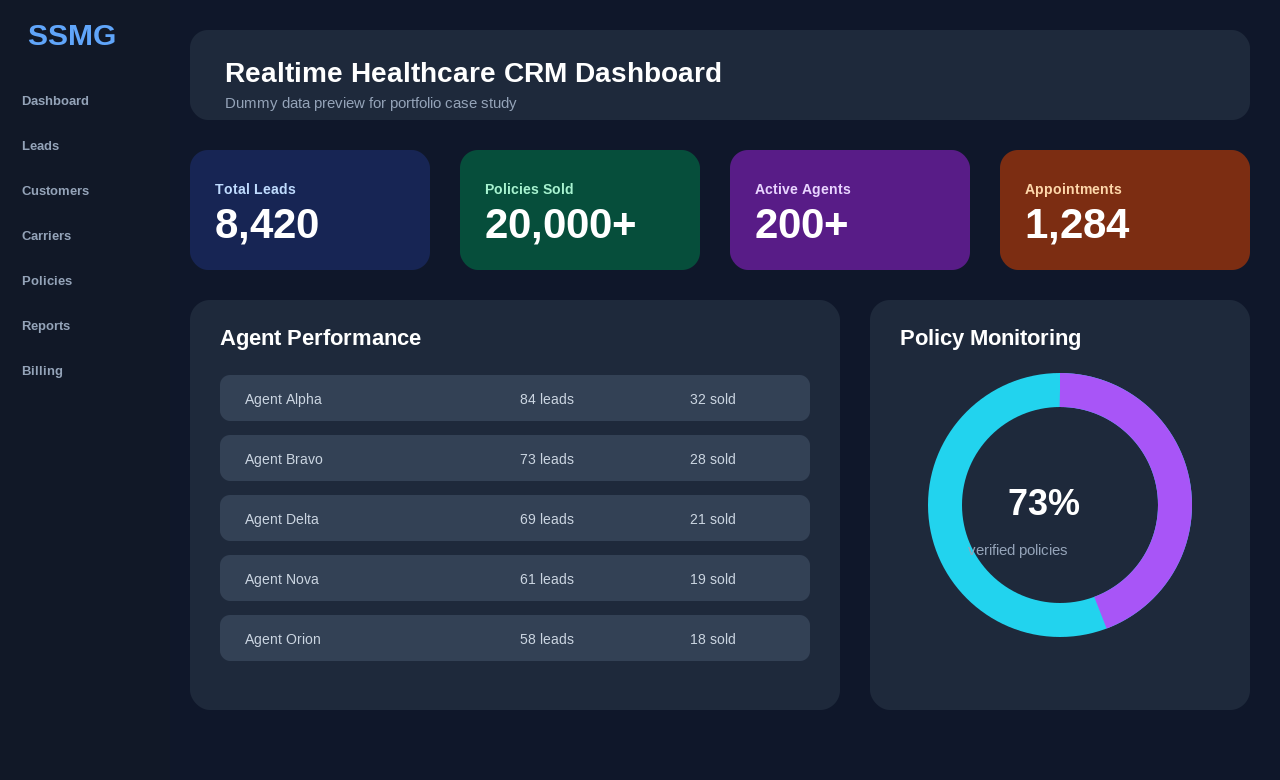
Give them a small, realistic design question, such as how they would structure a CRM with leads, agents and billing, and see whether they ask questions before answering. A senior developer will want to know about users, data volume and team size first. Ask whether they would use microservices; the strongest answers sound like my reasoning on monolith vs microservices — "it depends, and here is on what".
Finally, look at how they handle disagreement. Push back gently on one of their suggestions and watch what happens. A senior developer neither folds immediately nor digs in; they restate your concern, explain what would change their mind, and either adjust or explain clearly why they would not.
For the full process, from writing the brief to running a paid trial, see my guide to hiring a freelance full stack developer.
- Asks clarifying questions before proposing a solution.
- Describes past decisions with trade-offs and admits what they got wrong.
- Talks about users, data and operations, not only code.
- Explains technical ideas clearly to a non-technical listener.
- Pushes back respectfully when the brief has a problem.
The most reliable seniority signal in an interview is the quality of the questions a candidate asks you.
08Working with a senior full stack developer
If you need someone who can own a product from database to deploy — and tell you honestly which features to cut — that is the kind of engagement I take on through my full stack development service. You can read more about my background and how I work on the about page.